China's Growing Demand for Indian Oil Meal Is Creating Export Opportunities
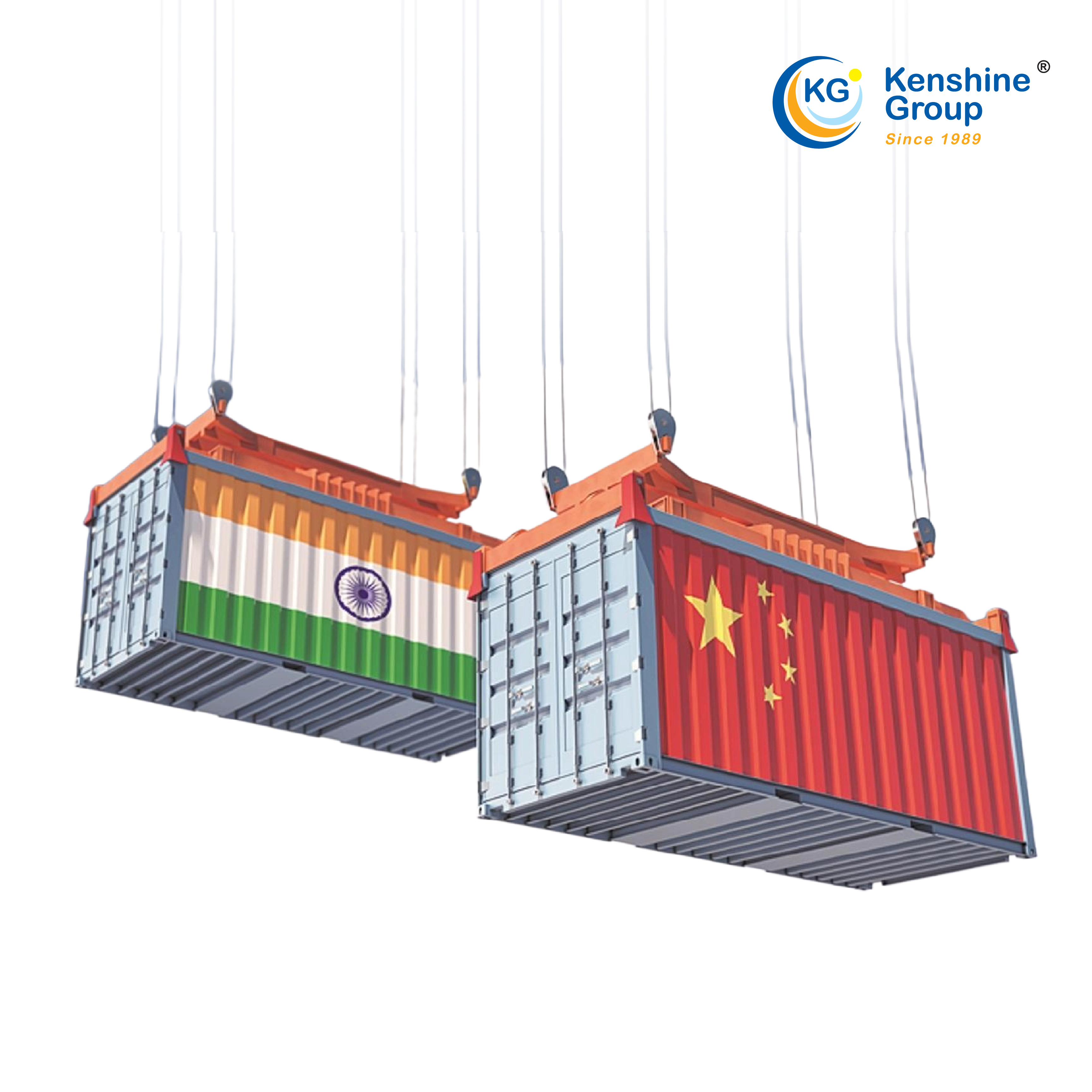
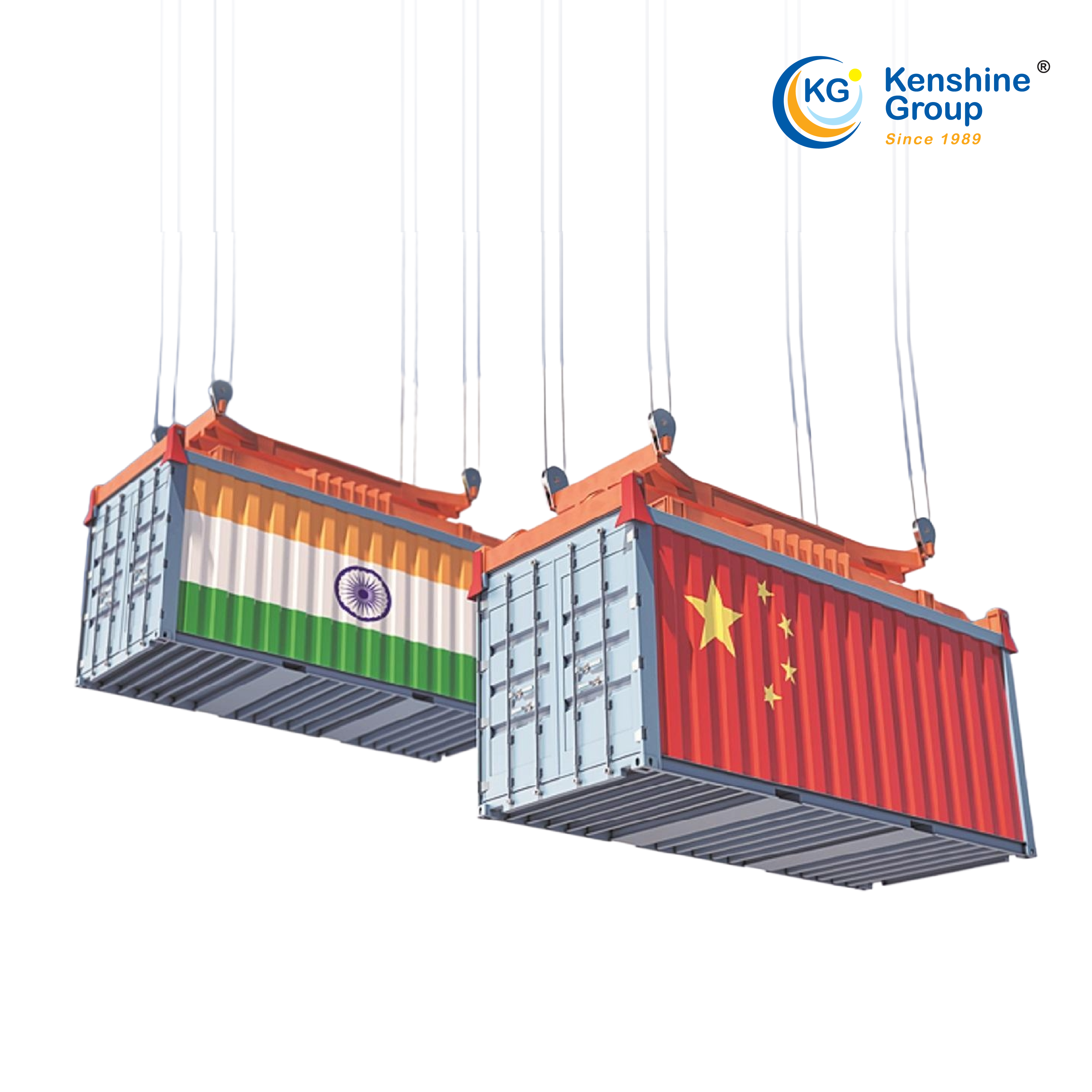
A decade ago, China barely featured among the major destinations for Indian oil meal exports. Today, it is emerging as one of the fastest-growing buyers, and the numbers tell a remarkable story. Indian oil meal exports to China have increased by more than 900% over the last ten years, creating fresh opportunities for the export business ecosystem.
This may look like another agricultural export success story. The bigger development is the sourcing decisions happening behind the scenes. Chinese buyers are actively reshaping procurement strategies for key feed ingredients, and India is becoming an increasingly important part of that change. Today, India has emerged as a key supplier for China's vast livestock and poultry feed sector. Such demand is also creating new conversations in the international logistics world. Here's a closer look at everything.
How A Trade Policy Change Opened The Door For Indian Suppliers
One of the biggest reasons behind the recent surge can be traced back to developments outside India. According to industry estimates, India's oil meal exports to China reached around 7.79 lakh tonnes during the first eleven months of FY26, compared to just 38,240 tonnes during the same period a year earlier.
In March 2025, China imposed a 100% tariff on Canadian rapeseed meal and rapeseed oil imports. Canada had long been China's largest supplier of rapeseed products, accounting for a significant share of its imports. The tariff dramatically changed sourcing economics and pushed Chinese buyers to look elsewhere.
Chinese feed manufacturers suddenly needed replacement volumes for a critical feed ingredient, and procurement teams began evaluating suppliers that could deliver quickly and competitively.
Several factors worked in India's favour:
- Existing rapeseed meal production capacity
- Competitive pricing due to available inventories
- Established export channels
- Geographic proximity compared to several competing suppliers
- Faster response times for urgent procurement requirements
Within weeks, Indian suppliers began receiving stronger demand from Chinese buyers. The speed of this shift is what makes the development particularly noteworthy.
Why Rapeseed Meal Has Suddenly Become More Important
Most discussions around this topic focus on export numbers. The more important question is why rapeseed meal matters so much to China in the first place.
China operates one of the world's largest livestock and poultry industries. Maintaining feed supplies is a constant priority, and protein meals form an essential part of feed formulations.
Soybean meal remains the dominant ingredient, but rapeseed meal continues to play an important supporting role because it offers:
- Additional protein sources
- Greater flexibility in feed formulations
- Alternative procurement options
- Cost advantages during certain market conditions
This explains why buyers reacted so quickly after the Canadian tariff announcement. The objective was not simply to secure lower-priced material. The objective was to ensure feed manufacturers continued receiving dependable supplies without disruption. That is why the recent increase in Indian exports has attracted attention across commodity markets.
China's Buying Strategy Is Changing
Many reports have framed the situation as India replacing Canada. The reality is tied to a much broader sourcing strategy.
China has been expanding its supplier network across several commodities for years. Agricultural products are simply the latest example. Relying too heavily on a single supplier creates exposure to trade disputes, weather-related disruptions, regulatory changes, and pricing volatility.
Procurement teams are now focused on building flexibility into their sourcing decisions.
This approach provides several advantages:
- Reduced dependence on a single market
- Improved negotiating leverage
- Better protection against supply disruptions
- Greater flexibility during market volatility
- Stronger procurement resilience
Viewed from that perspective, India's growing role makes much more sense.
Chinese buyers are unlikely to rely heavily on one origin. Instead, they are building a broader sourcing network that can support demand under different market conditions. This is one reason many market participants believe the opportunity could continue even after current trade disruptions ease.
Why Indian Suppliers Became Competitive At The Right Time
Tariffs may have created the opportunity, but pricing helped strengthen it.
Indian rapeseed meal prices softened during 2025 because of healthy supplies and relatively weaker domestic demand. This created favourable conditions for exporters at exactly the moment Chinese buyers were actively searching for alternatives, giving the export business community a significant opening.
When procurement teams assess suppliers, four factors usually influence purchasing decisions:
- Landed cost
- Supply reliability
- Quality consistency
- Delivery timelines
Indian suppliers performed favourably across several of these parameters. For Chinese buyers, the equation became attractive:
- Canadian supplies became significantly more expensive
- Indian material remained competitively priced
- Export volumes were readily available
- Shipment lead times remained manageable
Can India Sustain The Growth?
This remains one of the biggest questions surrounding the market. What are the key areas an exporter must focus on right now?
Production Capacity
If Chinese demand continues rising, Indian production must keep pace.
Several factors continue to influence agricultural output:
- Weather conditions
- Input costs
- Farmer planting decisions
- Yield performance
- Domestic demand
Strong demand alone cannot guarantee long-term growth for the export business. Supply availability remains equally important.
Quality Consistency
Large buyers operate with strict specifications.
Protein levels, moisture content, contamination controls, and shipment consistency all influence procurement decisions. As export volumes increase, maintaining consistent standards becomes increasingly important.
A single shipment issue may be manageable. Repeated quality concerns can influence future procurement decisions.
Infrastructure Readiness
Growing exports place additional pressure on supporting infrastructure.
Areas that may require greater attention include:
- Storage facilities
- Port capacity
- Loading efficiency
- Rail connectivity
- Warehouse capacity
- Export documentation processes
What The Export Business Should Watch Over The Next 12 Months
The next year could provide a clearer picture of whether this trade lane continues strengthening or settles into a more moderate pattern.
Several developments deserve close attention:
- Chinese import volumes from India
- Future trade policy developments
- Canadian export recovery trends
- Indian rapeseed production levels
- Feed demand growth in China
- Freight market movements
- International shipping conditions
- Broader international logistics capacity trends
These thing will reveal whether buyers are responding to a temporary market situation or building longer-term sourcing relationships. That distinction will play a major role in determining how this trade lane develops over the coming years.
Why The Logistics Side Matters Just As Much
The growth story is often discussed in terms of production and demand. However, the international logistics side deserves equal attention.
Every additional shipment involves:
- Producers
- Transport providers
- Warehouses
- Ports
- Shipping lines
- Customs authorities
- Buyers
As cargo volumes rise, the focus shifts towards execution. Vessel availability, documentation accuracy, inland transportation, and shipment planning all play a role in ensuring exports reach their destination as expected.
This is where operational efficiency often becomes a competitive advantage.
Final Thoughts
The 900% increase in exports highlights how quickly opportunities can emerge for the export business when sourcing patterns begin to shift. What started as a response to tariffs has gradually become a wider conversation around procurement strategy, supplier diversification, and emerging trade routes.
With over 35 years of experience in international logistics, Kenshine understands the practical side of these shifts. We support end-to-end exports across industries, helping businesses manage cargo movement with efficiency and reliability in mind. Businesses operating in the export business often face changing market conditions, evolving buyer requirements, and new trade opportunities. As these opportunities emerge, trust Kenshine to help keep your cargo moving efficiently across changing trade routes.